7 Things to Consider Before Setting Up a Business
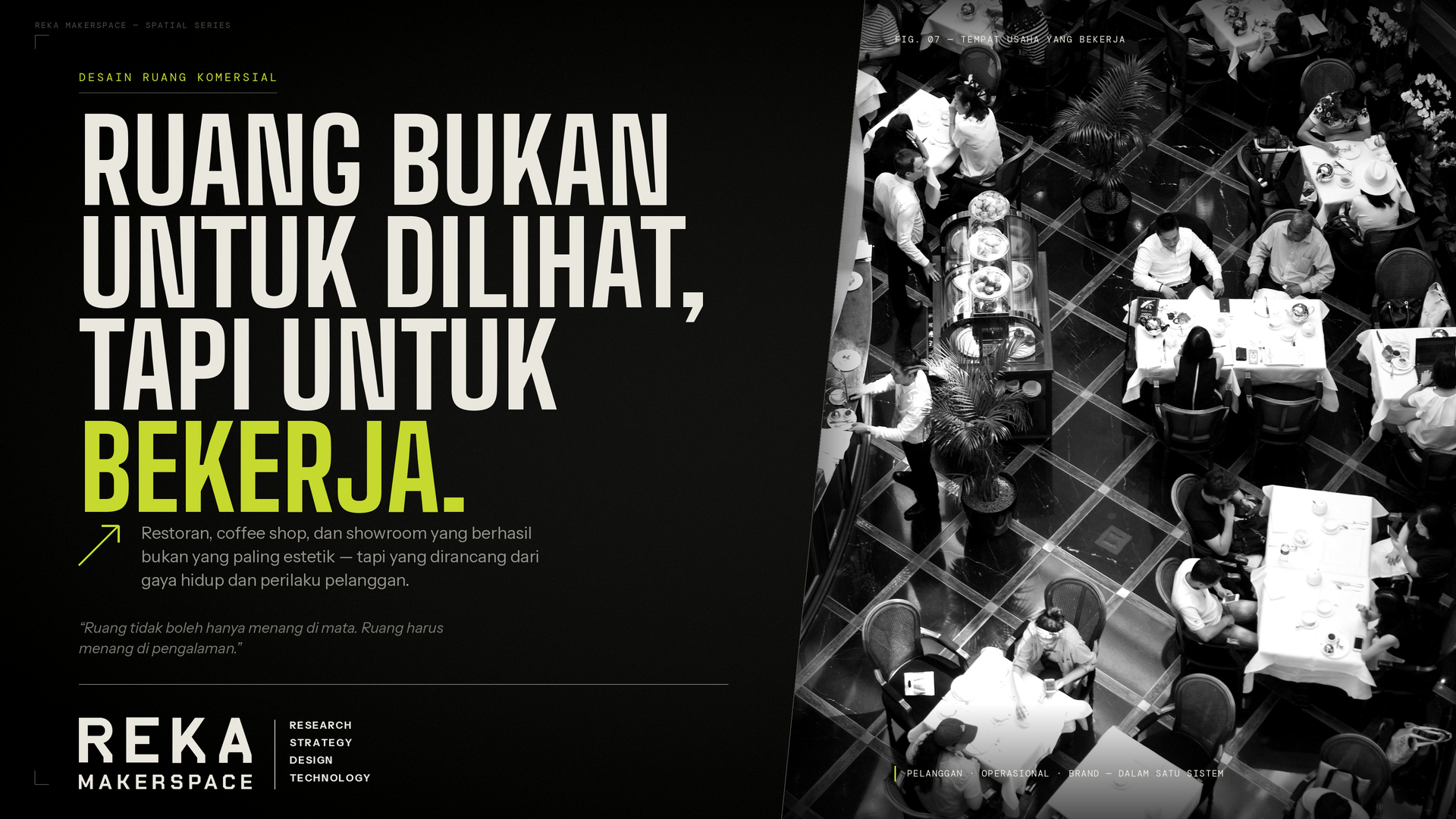
Many business owners design their business spaces with a focus on materials, facades, interiors, and visual appeal. However, a good business space isn’t just about looking good. The space must support customer behavior, operational workflows, brand positioning, and the experience you want to create. Here are some important things to consider before you start building or renovating your business space.
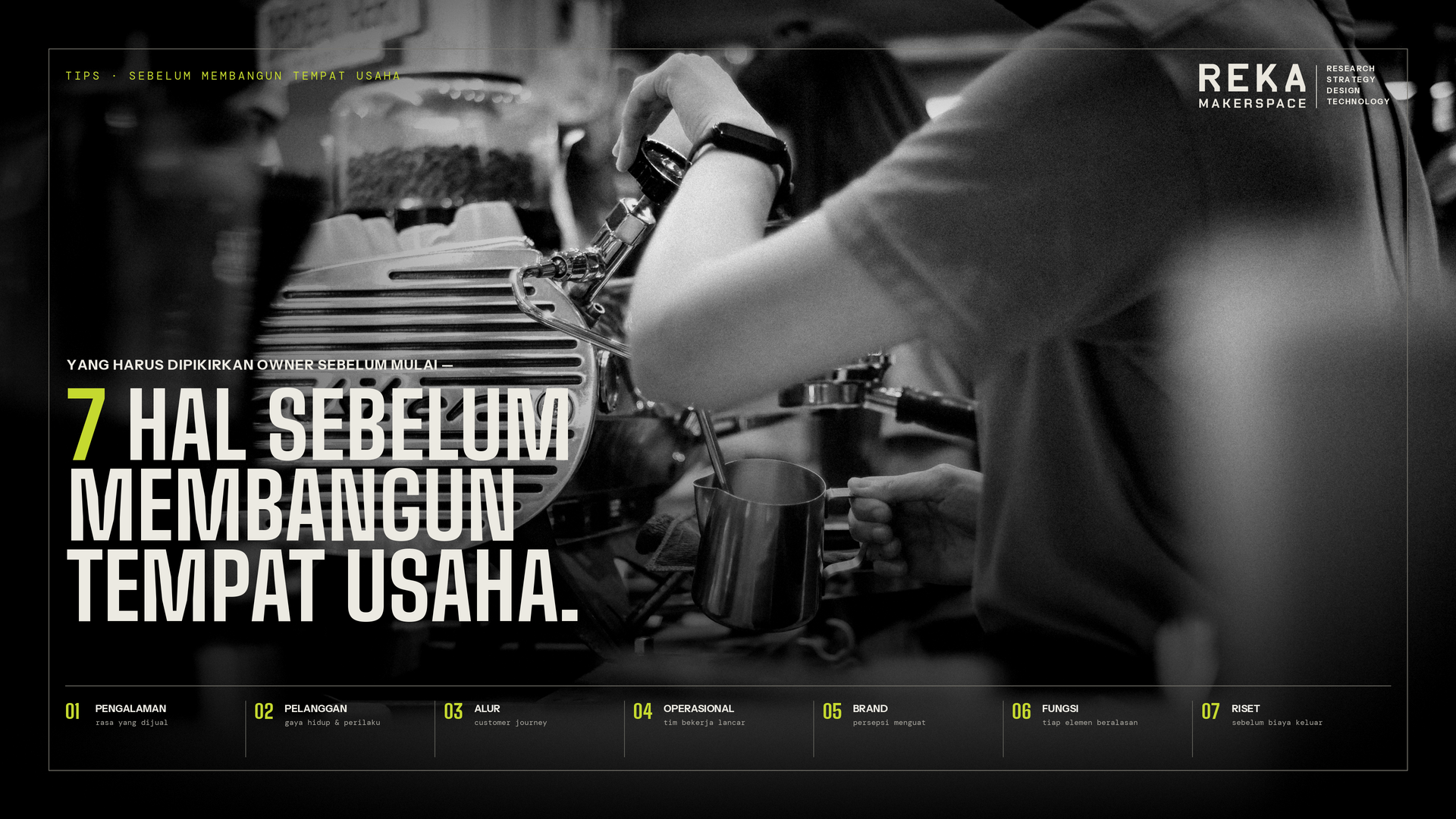
7 Things to Consider Before Building a Business Space So the space not only looks good but also works for your business
Building a business space isn’t just about choosing high-quality materials, creating an attractive facade, or designing an aesthetically pleasing interior. All of those things are important, but they aren’t enough.
In businesses such as restaurants, coffee shops, showrooms, retail stores, clinics, or service spaces, the business space is part of the business strategy. A space isn’t just a place where customers come. It’s where they evaluate, experience, make purchases, form memories, and decide whether they want to return.
Therefore, business owners shouldn’t build solely based on architectural specifications that look good. A business space must be designed with functionality, customer behavior, operational workflows, and the lifestyle the brand aims to convey in mind.
Here are some important things to consider before building or renovating a business space.
1. First, understand who your primary customers are
Before deciding on a design, business owners need to understand who their target customers are.
A business space for families is certainly different from one for young people. A coffee shop for working is different from one for hanging out. A fast-food restaurant is different from one that wants customers to stay longer. A premium product showroom is different from a store focused on quick transactions.
Each target customer group has different habits, expectations, and ways of using the space.
Family customers may need a more spacious, safe, and comfortable environment for children. Working customers may need stable tables, good lighting, electrical outlets, and an atmosphere that isn’t too noisy. Premium customers may need privacy, more personalized service, and a space that feels more serene.
If the target audience isn’t clear, the design will likely be based solely on the owner’s preferences. The result might look good, but it may not necessarily appeal to the people you’re trying to reach.
Before building, ask yourself: who do we most want to serve, and what kind of experience are they looking for?
2. Define the Lifestyle You Want to Sell
A strong business doesn’t just sell products. It also sells a lifestyle.
A restaurant doesn’t just sell food. It can sell a family dining atmosphere, a place to celebrate special moments, a local culinary experience, or a quick and convenient dining space. A coffee shop doesn’t just sell coffee. It can sell a workspace, a place to meet friends, a creative space, or a comfortable spot to relax. A showroom doesn’t just sell products. It can sell a sense of trust, inspiration, and the confidence that customers are making the right choice.
This lifestyle is important because it gives the business a clear direction.
If the lifestyle you want to sell is a “quiet workspace,” then the design must support focus. If what you want to sell is “a lively meal with family,” then the space must foster togetherness. If what you want to sell is “a trusted premium brand,” then the visuals, service, and spatial flow must build confidence.
Without a lifestyle direction, a business space can easily become just a nice space, but one without a strong sense of identity.
3. Design the customer journey from the moment they arrive until the transaction is complete
One common mistake in designing a business space is focusing too much on aesthetics while neglecting the flow.
Yet the flow determines how customers experience the space from start to finish.
From the outside, can people easily tell that the place is open to the public? Is the entrance clearly visible? Upon entering, do customers immediately know where to go? Do they need to head to the register, wait to be directed, select products, sit down first, or look at the displays?
In a restaurant, the flow affects lines, service speed, and dining comfort. In a coffee shop, the flow affects how people order, pick up their drinks, choose a seat, and work. In a showroom, the flow affects how customers understand products and compare options. In a clinic or service area, the flow affects feelings of safety, privacy, and trust.
A well-designed business space should be easy to understand without requiring too much explanation.
Customers may not always realize that a space has good flow. But they’ll feel it. They’ll feel comfortable, unconfused, and find it easier to make decisions.
Before building, create a customer journey scenario: arrive, look around, enter, ask questions, choose, buy, wait, use the space, pay, then leave. From there, the design will be more functional.
4. Don’t Separate Design from Operations
A business space isn’t just used by customers. It’s also used every day by the team working there.
Therefore, the design must take operations into account.
In a restaurant, the kitchen, service area, waitstaff routes, storage areas, dishwashing areas, and entry/exit points for goods are crucial. In a coffee shop, the placement of the coffee machine, cash register, pickup area, storage, and barista workstations must be efficient. In a showroom, staff must be able to easily move around to explain products and retrieve samples. In retail, restocking, the cash register, displays, and a small warehouse must be planned from the start.
Many spaces look great when empty, but become problematic once they’re in operation.
Staff have trouble moving around. Lines build up. There’s no place to put merchandise. Service areas are too narrow. Customers and staff bump into each other. Cleaning becomes difficult. Seating capacity is inadequate. The photo area looks great, but the workspace is impractical.
If the design doesn’t support operations, the business will pay for those problems every day.
Before building, don’t just ask if the space looks good. Also ask: Can the team work quickly, efficiently, and comfortably inside it?
5. Make Sure Every Specification Has a Reason
Good materials don’t always mean they’re the right choice. Expensive furniture doesn’t always mean it’s comfortable. Aesthetic lighting doesn’t always mean it helps the products look their best. A large facade doesn’t always mean it makes people want to come in.
In a business space, every specification must have a reason.
Floor selection must consider durability, maintenance, safety, and ambiance. Chair selection must accommodate the desired sitting duration. Lighting selection must support the mood, the products, and eye comfort. Color selection must align with the brand and customer psychology. Layout selection must support capacity, flow, and the overall experience.
Don’t choose something just because it looks good in a reference.
Design references can be helpful, but not all references are suitable for your location, target market, space size, business model, and operational methods.
A functional business space isn’t one that uses all the “best” elements. A well-designed business space is one that selects the elements most suited to its business objectives.
6. Create a Memorable Space
A good business space doesn’t just attract people—it also makes them remember it.
Customer memories can be shaped by many things: a striking facade, a distinctive scent, the ambiance of the space, service, lighting, how products are displayed, music, small details on the tables, favorite spots, or an experience that feels different from other places.
However, a memorable space doesn’t always have to be crowded or over-the-top.
Sometimes the most impactful spaces are simple yet have a distinct character. For example, a very quiet coffee shop perfect for working, a family restaurant with a warm atmosphere, a showroom that makes it easy for customers to understand the products, or a clinic that feels clean and soothing.
The key is consistency.
If a brand wants to feel warm, don’t rely solely on color. Make sure the layout, lighting, materials, service, and communication also feel warm. If a brand wants to feel premium, don’t just use expensive materials. Ensure that the flow, details, cleanliness, signage, and the way staff serve customers also convey a sense of premium quality.
A memorable business space is one with a clear identity.
7. Build for the Long Term, Not Just the Grand Opening
Many business spaces look very attractive when they first open. But after a few months, problems start to surface.
Materials are hard to maintain. The layout isn’t flexible. Capacity is inadequate. Service areas are insufficient. Maintenance is expensive. The facade isn’t eye-catching enough from the street. The interior looks good in photos but isn’t comfortable for repeat visits. The concept follows trends too closely, so it quickly feels outdated.
Therefore, owners need to think long-term before building.
A business space must be ready for daily operations, not just for opening-day photos. It must be easy to maintain, easy to expand, easy for new customers to navigate, and remain relevant as visual trends change.
Good design isn’t just about creating a “wow” effect at the start. Good design helps a business survive, grow, and remain comfortable to use over time.
Before building, think about how this space will function six months, one year, or three years from now.
Conclusion
A great business space isn’t just a place that looks attractive. A great business space is one that works for the business.
It helps customers feel comfortable. It helps them understand the products. It helps the team work more efficiently. It helps the brand appear stronger. It helps people remember the experience. And ultimately, it makes the business the easier choice.
Business owners shouldn’t build a space just because the building’s specifications look good. Materials, facades, furniture, lighting, and interiors are important, but they must all support a larger purpose.
A business space must be functional.
Right for customers. Right for operations. Right for the brand. Right for the experience you want to create.
REKA Makerspace helps business owners design their spaces from a more strategic perspective. We help identify business needs, understand customer behavior, define the direction of the brand experience, and translate that into a space design that not only looks good but also works for the business.
It’s not just about building a space.
It’s about creating a reason why people want to come, trust, buy, and return.