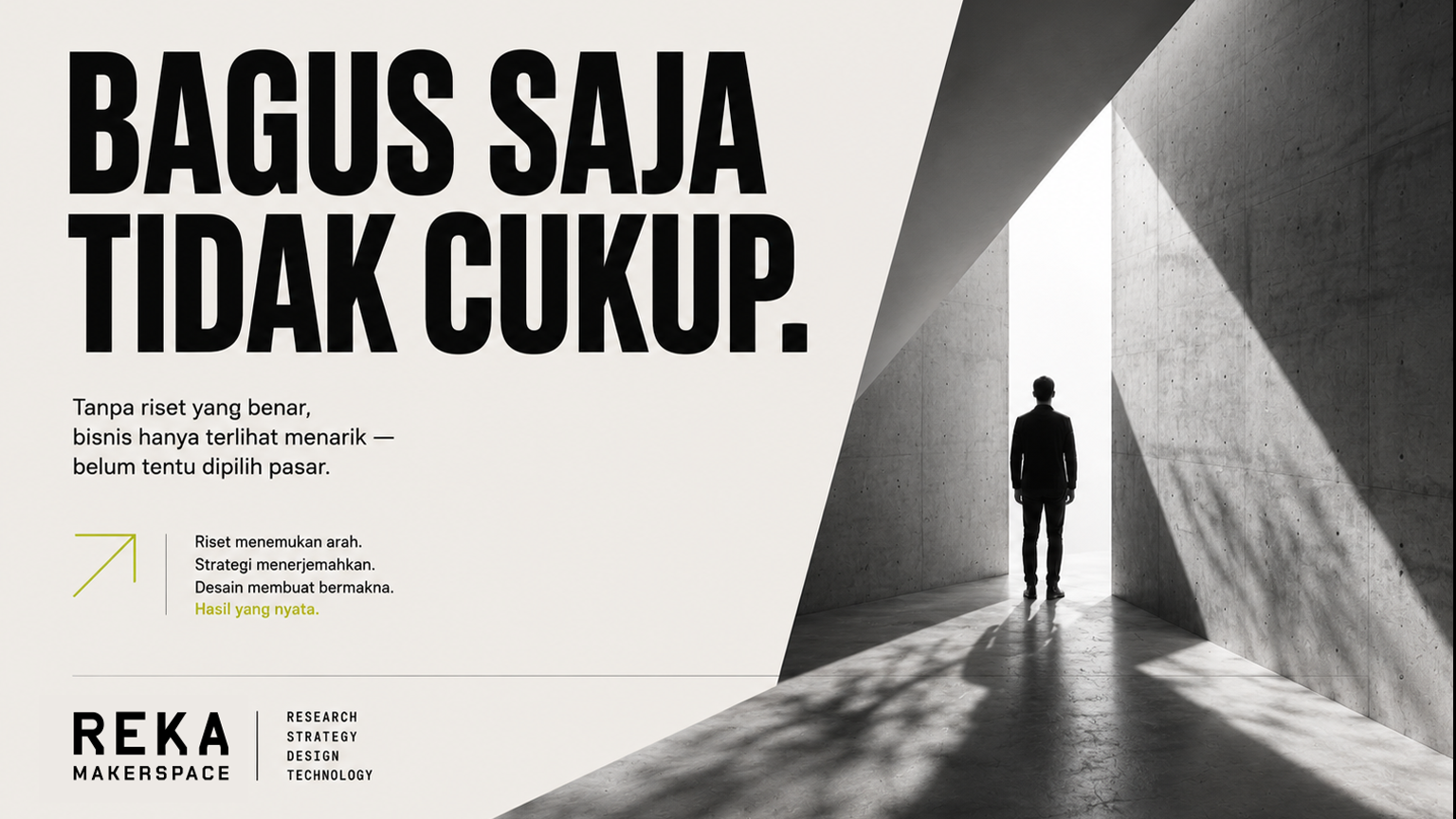
A Business Premises Isn't Enough Just Because It Meets Good Specifications
Many business owners build their establishments with a focus on building features that look good: expensive materials, attractive facades, aesthetically pleasing interiors, and polished visual details. However, in businesses such as restaurants, coffee shops, retail stores, showrooms, or clinics, a beautiful space isn’t necessarily functional. A strong business space isn’t just visually appealing—it shapes the customer experience, supports operations, strengthens the brand, and makes the business a more attractive choice.
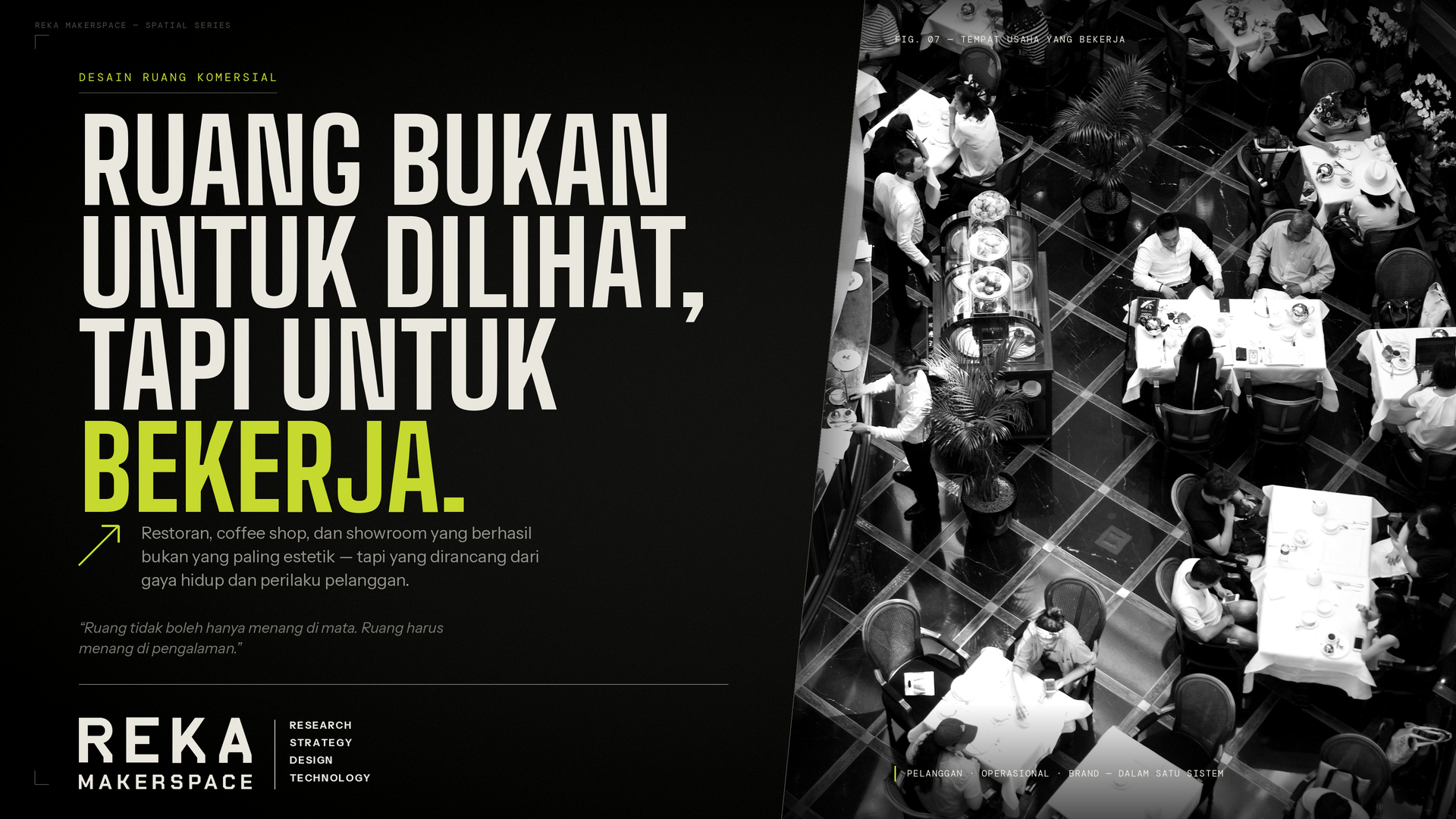
Business Spaces Can’t Be Built on Good Specifications Alone Why restaurants, coffee shops, showrooms, and commercial spaces must be designed based on lifestyle, customer behavior, and business function
Many business owners build their commercial spaces with good intentions: they want them to look good, appear premium, impress customers, and make their business seem more professional than the competition.
They start with the things that are easy to see. The facade must be attractive. The materials must be high-quality. The flooring must look expensive. The lighting must be aesthetically pleasing. The furniture must be neat. The colors must match their taste. The photo spots must be Instagram-worthy. Every visual detail is carefully considered to make the business space look convincing.
All of that is important. A business space does need to look good. In businesses like restaurants, coffee shops, showrooms, retail stores, clinics, or service spaces, the physical appearance often creates the first impression that determines whether people are interested in coming in, trying it out, and trusting the business.
However, there’s one thing that’s often overlooked: a business space isn’t just a building meant to be looked at. A business space is a space that must function.
It must function for customers. It must function for the operational team. It must function for the sales process. It must function for the brand. It must function to create an experience people will remember after they leave the space.
Therefore, a business space built solely based on good architectural specifications will always lose out to one built on an understanding of lifestyle, customer behavior, and business needs.
High-quality materials can make a space look expensive. But they don’t necessarily make customers feel at home. An attractive facade can catch people’s attention. But it doesn’t necessarily make them come inside. An aesthetically pleasing interior might make people take photos, but it doesn’t necessarily make them come back.
In business, “good” just isn’t enough. A space must be functional.
A business space is more than just a building
When owners build a restaurant, coffee shop, showroom, or other business space, their primary focus often falls on the physical aspects: how large it is; what the facade looks like; what materials are used; what furniture is chosen; what colors are selected; how many light fixtures are needed; and how photogenic it appears.
These questions are important, but they’re not enough.
Before getting into the specifics, business owners need to ask deeper questions: What kind of experience does this business aim to create?
Does this restaurant want people to eat quickly and conveniently, or to linger longer with their families? Does this coffee shop want to be a workspace, a hangout spot, a place for small meetings, or a quick stop? Does this showroom want to feel premium, technical, educational, or relatable to everyday needs? Does this clinic need to feel very professional, very warm, or very calm?
The answers to these questions will influence many design decisions.
Layout, table spacing, entry direction, cashier placement, queue flow, display areas, lighting, acoustics, scent, color, seating types, signage, and even how customers move through the space shouldn’t be chosen simply because they look good. Everything must have a reason.
A well-designed business space doesn’t just answer the question “What does it look like?” but also “How does this space help the business run?”
This is where many businesses lose their way. They look attractive at first, but aren’t comfortable to use. They look aesthetically pleasing, but the operational flow is confusing. They look premium, but feel cold and uninviting. They look visually busy, but don’t help customers understand what’s being sold.
Ultimately, the space looks great in photos but falls short as a business.
Customers Don’t Just Buy Products—They Buy the Atmosphere
In the restaurant, coffee shop, retail, showroom, or service industry, customers don’t just come for the product. They come for the experience that accompanies it.
People can buy coffee in many places. But they choose a specific coffee shop because its atmosphere fits their lifestyle. Some are looking for a quiet place to work. Some are looking for a place to meet friends. Some are looking for a place that looks good to share on social media. Some are looking for a sense of familiarity because the place makes them feel comfortable.
The same goes for restaurants. People aren’t just buying food. They’re buying the moment of sharing a meal, the comfort of bringing their family, the atmosphere for celebrating something, or an experience that makes the food feel more valuable.
In a showroom, customers aren’t just looking at products. They’re assessing the business’s credibility. Is this place trustworthy? Is this product high-quality? Is this brand serious? Do I feel confident buying from here?
That’s why a business space must be able to sell a lifestyle—not just showcase a space.
A lifestyle doesn’t have to be luxurious. A lifestyle refers to the way of life, habits, aspirations, and experiences that customers want to feel. For some businesses, that lifestyle might mean practicality and speed. For others, it might mean tranquility and warmth. It can also mean premium, active, creative, healthy, local, modern, or family-oriented.
If the owner doesn’t understand the customers’ lifestyle, the space design will easily become trapped in personal taste. The space is built based on what the owner likes, not what customers need and feel.
This is where research becomes crucial. Research helps business owners understand who will visit, what they’re looking for, how they’ll use the space, and what experiences will make them want to return.
Specifications make a space look good; strategy makes it work
Building specifications describe what is used. Strategy explains why something is used.
Floor materials, lighting types, wall finishes, table shapes, chair colors, and other interior details should not be chosen simply because they look attractive. In a commercial space, every element must support the business’s goals.
If a restaurant wants to increase table turnover, then the layout and type of seating must support a more efficient dining experience. If a coffee shop wants to become a workspace, then lighting, power outlets, acoustics, table spacing, and seating comfort become crucial. If a showroom aims to sell premium products, then the display area, product lighting, exploration flow, and professional ambiance must be carefully designed.
Without a strategy, specifications easily become nothing more than a shopping list.
An owner might buy expensive materials but fail to create the right atmosphere. They might choose nice furniture, but it might not be comfortable for their target customers. They might install aesthetically pleasing lights, but they might obscure the products. They might build a grand facade, but it might not give people a compelling reason to come inside.
A well-designed space must address three needs simultaneously.
First, customer needs. Does this space make them feel comfortable, informed, interested, and confident?
Second, operational needs. Does this space make it easier for the team to work, serve customers, clean, store merchandise, and maintain service quality?
Third, brand needs. Does this space reinforce the perception the business wants to build?
If only one of these is met, the space isn’t functioning to its full potential. A great business space must integrate all three.
Owner’s Mistake: Designing Based on Personal Taste, Not Customer Behavior
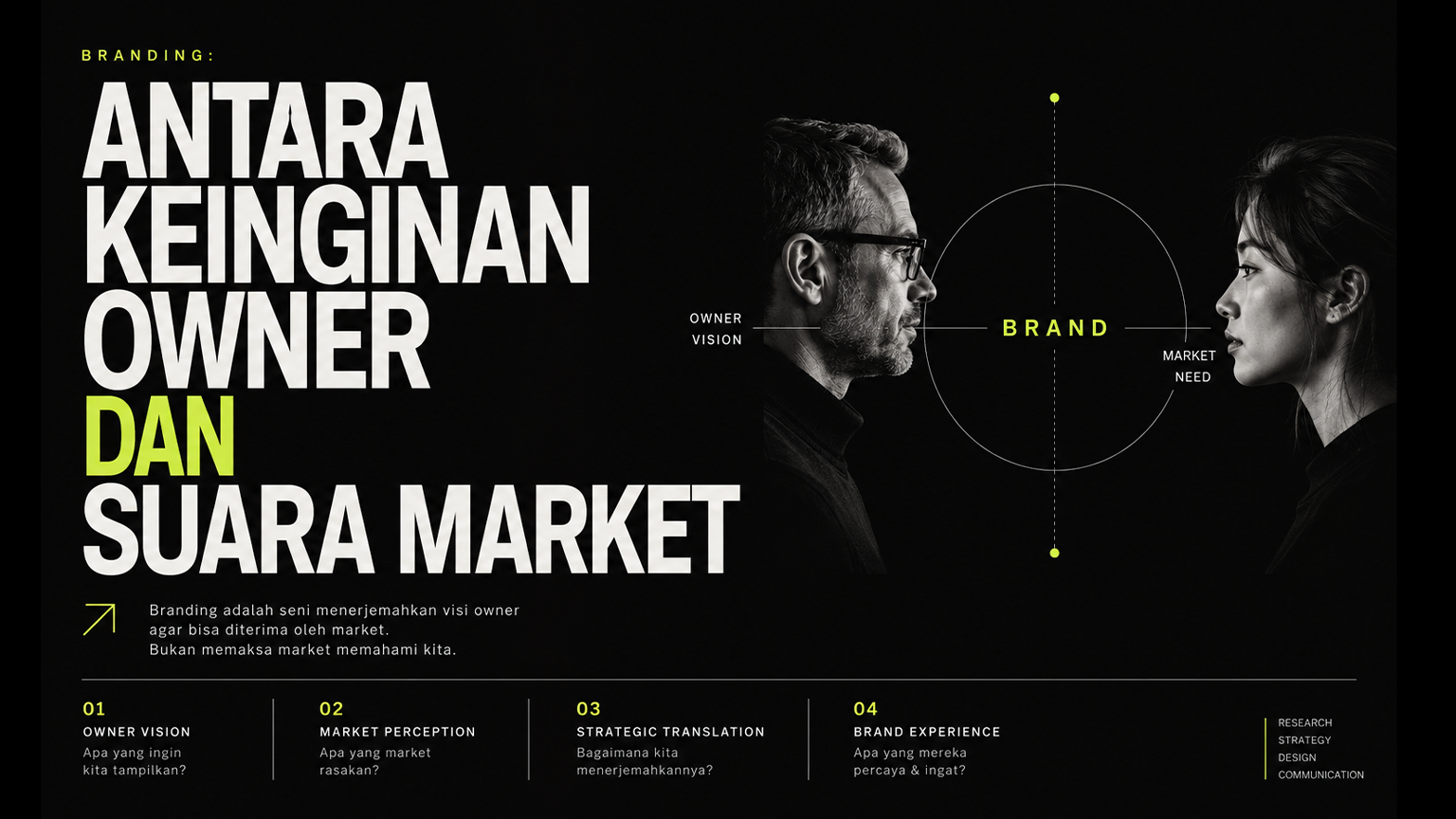
Many business spaces are built based on the owner’s personal taste. If the owner likes a certain color, that color is used. If the owner sees inspiration from abroad, they want to replicate it. If the owner prefers industrial, Japandi, tropical, classic, or minimalist styles, they make that the primary design direction.
The owner’s personal taste isn’t wrong. The owner’s vision remains important. But in business, personal taste needs to be adapted to align with market behavior.
Not every visual style suits every business. Not every viral design works for every location. Not every interior that looks expensive will make customers feel comfortable. Not every “Instagrammable” spot will make people buy more or visit more often.
For example, a family restaurant can’t prioritize aesthetics alone if its layout makes it difficult for people to bring their children. A coffee shop targeting office workers can’t just have stylish chairs if they’re uncomfortable for prolonged sitting. A building materials showroom can’t just look luxurious if customers have trouble understanding the products, material options, and how to compare them.
Good design doesn’t stem solely from the question, “Which one does the owner like?”
Good design also stems from questions like: Who are the primary customers? How do they move through the space? What do they need? What makes them hesitate? And what kind of experience makes them want to come back?
Without these questions, a business space might look good but fail to serve its purpose.
A business space must have a flow, not just an atmosphere
One of the most important aspects of business space design is flow. Unfortunately, flow often takes a back seat to visual appeal.
Yet flow determines how customers experience the space from start to finish.
From the outside, can they find the entrance? Upon entering, what’s the first thing they see? Do they immediately understand where to go? Is the cash register easy to find? Are the main products clearly visible? Is the waiting area comfortable? Are the tables arranged well? Can staff move around easily? Do new customers feel assisted or confused?
In a restaurant, the flow affects the speed of service. In a coffee shop, the flow affects lines and seating comfort. In a showroom, the flow affects how customers understand the products. In a clinic, the flow affects a sense of calm, privacy, and trust. In retail, the flow affects the likelihood that people will see more products and buy more.
A space without good flow will feel exhausting, even if it looks good.
Customers may not be able to explain technically why a place feels comfortable or uncomfortable. But they feel it. They know when a space is easy to navigate. They know when a space feels like it flows. They know when their experience feels seamless.
That’s why business space design must start with the customer journey, not just a mood board.
Lifestyle Makes a Business More Memorable
A strong business space is usually remembered not just for its architecture. It’s remembered for the feeling it leaves behind.
There are places remembered as warm family dining spots. There are coffee shops remembered as the most comfortable places to work. There are showrooms remembered for making the product-selection process feel effortless. There are clinics remembered for putting patients at ease. There are stores remembered for making customers feel more confident.
That kind of feeling doesn’t come solely from the building’s specifications. It comes from a carefully designed experience.
Lifestyle helps a business tell a story. It’s that story that makes a business stand out from the competition. When two restaurants offer similar menus, the experience can be the deciding factor. When two coffee shops sell coffee of the same quality, the atmosphere can be the reason people choose one over the other. When two showrooms sell similar products, the way the space builds trust can determine the decision.
In a crowded market, it’s not enough for a business to just look good. A business must have a distinct character.
That identity must be evident from the outside, felt upon entering, visible in the details of the space, heard in the way the business communicates, and carried with customers even after they leave.
That’s what turns a business space into a brand experience—not just interior design.
Research Makes Construction More Precise, Not Slower
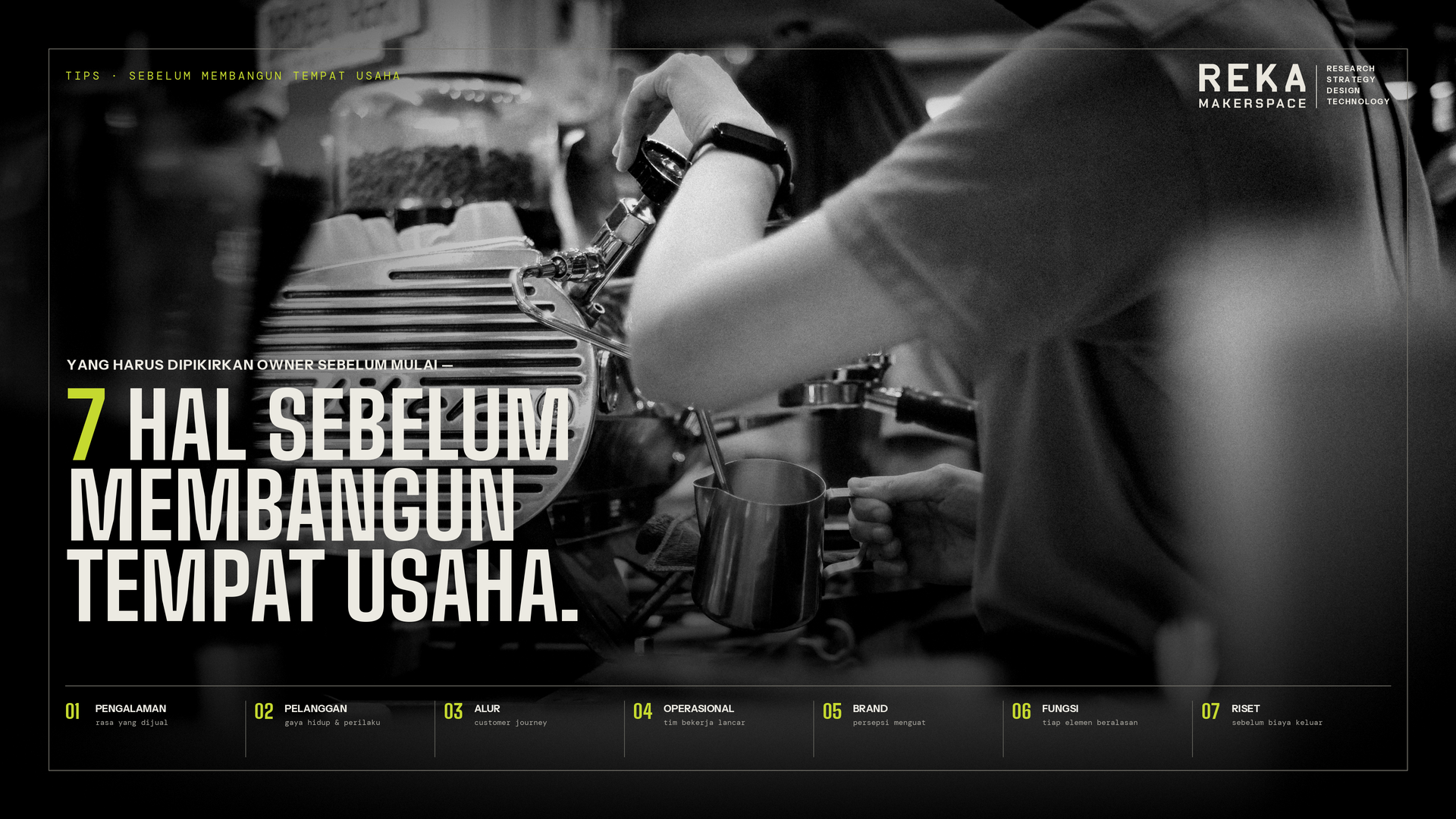
Some business owners feel that research will slow down the construction process. They want to design quickly, build quickly, open quickly, and start selling quickly. That desire is understandable, especially when rent, renovation, and operational costs start piling up.
However, research is often not the most expensive part. What’s more costly is a completed building that doesn’t function properly.
A space with the wrong layout is difficult to fix. An inefficient service area will disrupt daily operations. Inadequate seating capacity will affect revenue. Poor lighting will ruin the atmosphere and the appearance of the products. A facade that doesn’t communicate effectively will cause people to walk by without being tempted to enter. An interior that doesn’t align with the target market will make the business look good, but feel irrelevant.
Research helps owners make decisions before significant costs are incurred.
Research doesn’t always have to be complicated. For a business location, research can start with understanding the target customers, mapping out competitors, analyzing visit patterns, examining transaction trends, studying the location, analyzing peak hours, and testing the most effective positioning.
Based on this research, business owners can determine whether the business space should feel fast-paced, warm, premium, productive, relaxed, educational, exclusive, or highly functional.
Once that direction is clear, the design becomes easier to manage. Specifications are no longer chosen simply because they’re nice, but because they support the business’s goals.
Functionality is a luxury that’s often overlooked
In a business space, luxury isn’t just about expensive materials. Luxury can come from a space that’s easy to navigate, seamless service, comfortable seating, proper lighting, the right scent, unobtrusive sound, and details that make customers feel cared for.
Functionality is a form of luxury that’s often not immediately visible but is felt through the experience.
A functional space makes customers feel at home. It helps staff work more efficiently. It makes products look their best. It simplifies transactions. It makes the brand feel more consistent. It makes a business better prepared for growth.
Conversely, a space that’s only impressive on paper often looks appealing at first, but quickly reveals problems when put to use. Lines form in the wrong places. Customers are confused about where to order. Staff have trouble moving around. The photo area is great, but the dining area is uncomfortable. The displays are beautiful, but the products are hard to understand. The space looks premium, but it doesn’t feel alive.
In business, a space shouldn’t just win over the eyes. It must win over the experience.
Conclusion
Properties sold based solely on building specifications will always lose out to those that sell a lifestyle. The same applies to business spaces.
Restaurants, coffee shops, showrooms, retail stores, clinics, and commercial spaces aren’t enough if they’re built with just good materials, attractive facades, or aesthetically pleasing interiors. All of these are important, but they are not the sole determinants of success.
Business spaces must be designed based on a deeper understanding: who the target customers are, how they use the space, what kind of experience they want to have, and how the space helps the business run more effectively.
Owners shouldn’t build a space just because the specifications look good. They need to create something that is functional, relevant to the market, strong in brand identity, comfortable in terms of experience, and operationally efficient.
Because a successful business space isn’t just a place that looks beautiful in photos.
A successful business space is one that makes people want to come in, stay longer, buy, return, and recommend it to others.
REKA Makerspace helps with the latter.
We help business owners identify business needs, understand customer behavior, develop spatial strategies, build brand experiences, and translate these into business space designs that not only look good but also work for the business.
It’s not just about building a space.
It’s about creating a reason why people want to come, trust, and return.